
Safe Harbor SFL Law How to Legally Give a Baby Up for Adoption in Florida

How to Legally Give a Baby Up for Adoption in Florida

If you are considering giving your baby up for adoption in Florida, it is essential to understand the legal process involved. This article will outline the steps you need to take to ensure the adoption process goes smoothly. Remember that each situation is unique, and you should always consult with an attorney before making any decisions about adoption. So, if you’re wondering how to give baby up for adoption florida, read on to make the most of this challenging decision.

Contact a Licensed Adoption Agency

The first step in giving your baby up for adoption in Florida is to contact a licensed adoption agency. The agency will be able to provide you with information about the different types of adoptions available, as well as help you choose the right family for your child. They will also be able to answer any questions about the process.

Have a Home Study Completed

attorneyIf you are working with an adoption agency, they will likely require that you have a home study completed. A social worker usually does this, and it involves an assessment of your home and family life. The social worker will also interview you to ensure that you are prepared for the adoption process. The home study is an essential part of the adoption process, and it is vital to ensure that you are comfortable with the social worker conducting it. If you have any concerns, you should discuss them with your attorney or adoption agency.

Contact a Licensed Attorney

To pursue an independent adoption, you must contact a licensed attorney. The attorney can help you navigate the legal process and ensure everything is done correctly. They can also help you find a family for your child. Attorneys can also help you if you have trouble with the adoption agency or have other legal questions.

Complete the Necessary Paperwork

paperworkOnce you have chosen an adoption agency or attorney, you must complete the necessary paperwork. This includes a consent form, which allows the agency or attorney to proceed with the adoption. You will also need to fill out various other forms, including a medical release form and a background check.

Giving your baby up for adoption in Florida is a big decision, but it can be gratifying. Following the steps outlined in this article ensures that the process goes as smoothly as possible. Contact an attorney or adoption agency for more information if you have any questions. Thanks for reading.


Related Post

law

Law in the Age of Chaos: How Global Crises Are Reshaping Legal SystemsLaw in the Age of Chaos: How Global Crises Are Reshaping Legal Systems

In an era defined by unpredictability—pandemics, climate disasters, cyberattacks, political unrest—the law is being stretched, tested, and transformed. Legal systems, traditionally designed to provide structure and certainty, are now being forced to adapt to a world where the rules are constantly shifting. Welcome to the age of “chaos law” or CLaw—where global crises aren’t just influencing legal decisions but are actively reshaping the way we understand and apply the law. So, how exactly are legal systems evolving to meet the moment? Let’s dive into the ripple effects of today’s chaos on tomorrow’s legal frameworks.

Emergency Powers and the New Normal

riot

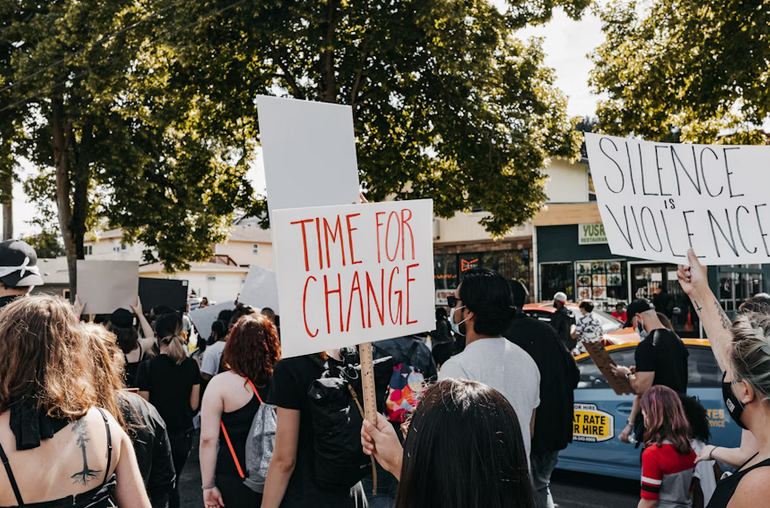
Crises often give governments reasons to invoke emergency powers, but what happens when emergencies never seem to end? During the COVID-19 pandemic, we saw sweeping laws introduced almost overnight—curfews, mandates, lockdowns—all in the name of public safety. But even after the worst of the crisis passed, many countries struggled to roll back those powers. The line between temporary and permanent legal measures has blurred, raising questions about civil liberties and governmental overreach. What began as an urgent response is now reshaping our understanding of state authority.

Climate Litigation Goes Mainstream

Climate change is no longer just a scientific or political issue—it’s a legal one, too. Around the world, individuals and advocacy groups are suing governments and corporations for their roles in environmental destruction. Courts are being asked to define responsibilities across borders, hold companies accountable for emissions, and protect the rights of future generations. As climate disasters become more frequent and severe, climate litigation is evolving from niche to necessity, forcing legal systems to grapple with unprecedented questions about duty, damage, and justice.

Digital Law in a Hyperconnected World

Cybersecurity breaches, misinformation, and AI-generated content—our digital reality is creating legal dilemmas that didn’t exist a decade ago. Governments are scrambling to update privacy laws, regulate tech giants, and define accountability in virtual spaces. With the rise of artificial intelligence and deepfakes, even basic concepts like evidence and intent are being reconsidered. In many ways, digital law is being written in real time, with global crises accelerating the need for clear, adaptable, and ethical frameworks to govern the online world.

Migration, Borders, and Human Rights

From wars to climate displacement, more people are being forced to leave their homes than ever before. Legal systems are being pushed to reexamine how they handle asylum, citizenship, and border control. Traditional frameworks often fall short when facing mass migration caused by non-traditional factors like drought or sea-level rise. As a result, international law is under pressure to become more flexible and human-centered, recognizing the evolving nature of displacement in a chaotic world.

The Rise of Decentralized Justice

One of the most fascinating shifts in modern law is the rise of decentralized justice systems—think blockchain contracts, online dispute resolution, and community-led justice initiatives. As trust in formal institutions wavers, people are turning to alternative systems that are faster, more transparent, and tech-driven. These models aren’t replacing traditional courts just yet, but they are offering new ways to resolve conflict and access justice in a world where time and clarity are in short supply.

We’re living in a time when the old rules don’t always apply—and that includes the legal ones. The age of chaos isn’t just a challenge for lawmakers and judges; it’s an opportunity to rethink how justice is served in a world that refuses to stand still. From emergency powers to environmental justice, from cybercrime to human migration, the law is being forced to evolve alongside the crises we face. The question isn’t whether legal systems will change—it’s how quickly, and whether that change will bring more fairness or more friction in the years to come.

pole

Can You Remove a Hydro Easement From Your Property? Here’s What to KnowCan You Remove a Hydro Easement From Your Property? Here’s What to Know

Owning a home is not always about all the joys. Sometimes, it comes with a set of challenges. For many property owners in Ontario, one challenge they face is the presence of hydro easement ontario. These legal agreements can restrict how you use your land, leaving some homeowners wondering if they can remove them altogether.

If you’ve ever felt frustrated about those power lines running through your backyard or the limitations on what you can do with your property, you’re not alone. Understanding hydro easements and their implications is crucial for making informed decisions about your home. Find out everything you need to know about navigating this complex issue and explore whether it’s possible to remove a hydro easement from your property.

Legal Agreements

Hydro easements are legal agreements that basically grant utility companies the right to legally access and use a portion of your property for their infrastructure. This often includes space for power lines, poles, or transformers. While these agreements serve a public purpose—ensuring electricity delivery—they can create significant limitations on how you utilize your land.

When you purchase a property, these easements may already be in place. It’s essential to review any existing documents related to your land before finalizing the purchase. Each agreement can vary in terms of restrictions and obligations. Some might allow only limited access, while others could impose conditions regarding landscaping or construction within designated areas. Knowing the specifics can help you navigate potential issues when planning future projects on your property.

Removal Process

The removal process for a hydro easement begins with understanding the legal framework surrounding it. This often involves reviewing the original agreements establishing the easement on your property. Next, you’ll need to reach out to the utility company that holds rights over the easement. They may have specific procedures in place for addressing such requests.

Gathering support from neighbors can also strengthen your case if they share similar concerns. Documentation is crucial during this phase. Ensure you compile all relevant paperwork, including surveys and any communications exchanged with the utility provider. Once you’ve submitted your request, be prepared for negotiations or even potential disputes. The process can take time, as it often requires legal evaluations and possible adjustments to existing infrastructure.

removal

Impacts on Property Use and Value

Having a hydro easement on your property can significantly influence how you use the land. With utility companies having access to maintenance and repairs, your ability to build or landscape may be limited. This restriction can deter potential buyers who envision a different use of the space. Additionally, properties encumbered by easements often face depreciation in value.

Buyers might perceive an easement as an inconvenience or liability. Not everyone is comfortable with utility lines running through their yard. On the flip side, some homeowners may find that proximity to infrastructure can enhance convenience, especially in urban settings where access to power is crucial. However, this perception varies widely among individuals and markets.

How to Check Hydro Pole Ownership in Ontario

Determining hydro pole ownership in Ontario can be straightforward if you know where to look. Start by contacting your local utility company. They typically maintain records of their infrastructure, including hydro poles. You might also turn to municipal offices. Many municipalities keep detailed maps that show the locations and ownership of utility lines within their jurisdiction.

If you’re still unsure, consider hiring a land surveyor. These guys have access to specialized tools and databases that can clarify property boundaries and easement issues related to hydro poles. Engaging with neighbors who might have faced similar issues could yield helpful insights as well. Knowing who owns what helps clarify what rights they have over your property.

flight

How to Claim Compensation for Your Disrupted FlightHow to Claim Compensation for Your Disrupted Flight

Are you one of the unlucky passengers who have experienced a disrupted flight due to delays, cancellations, or overbooking? Frustrating as it may be, you don’t have to suffer in silence. In fact, there’s a good chance you’re entitled to compensation for your inconvenience and hassle. But how do you claim it? In this blog post, we’ll guide you through the process step-by-step so you can get the compensation you deserve from airlines who’ve let you down. You can also read Scott Welsch blog about flight compensation.

What to Do When You’re Disrupted During a Flight

schedule

If you’re disrupted during a flight, you should first contact the airline to try and resolve the issue. If the airline is unable to help, you can file a complaint with the Department of Transportation’s Aviation Consumer Protection Division.

To file a complaint, you must provide your name, contact information, and details about your disruption. You can submit your complaint online, by email, or by mail. Once the DOT receives your complaint, they will investigate and take action as necessary.

Know Your Rights and Check Eligibility

If your flight is delayed, canceled, or overbooked, you may be eligible for compensation under EU law. For delays of two hours or more, you are entitled to food and drink vouchers and reimbursement for any other necessary expenses, such as hotel accommodation if you are stranded overnight. For cancellations, you are entitled to a full refund of your ticket price or a re-routing to your destination.

To claim compensation, you will need to contact the airline directly. Make sure to keep all documentation relating to your flight, including your contract of carriage and boarding pass. You may also need evidence of any expenses incurred due to the disruption. The airline has up to 28 days to respond to your claim.

Document Your Flight Stressors

If your flight has been delayed, canceled, or overbooked, you may be entitled to compensation from the airline. But first, you’ll need to document your flight stressors. Here’s how:

  1. Keep all email correspondence and documentation from the airline. This will be helpful when filing a claim.
  2. Take note of the dates and times of your disrupted flights.
  3. Keep track of any expenses incurred due to the disruption, such as hotel costs or meals.
  4. Gather any supporting documentation, such as witness statements or medical bills, if you were injured during the disruption.
  5. Contact an experienced aviation attorney to discuss your legal options and help you file a compensation claim.

Make a Claim for Compensation

claimIf your flight has been disrupted, you may be entitled to compensation from the airline. The amount of compensation will vary depending on the length of the delay and the distance of the flight. To make a compensation claim, you must contact the airline directly. You will need to provide your booking reference and details of the disruption. The airline will then assess your claim and determine whether you are eligible for compensation.

If you are entitled to compensation, the airline will usually provide a voucher or refund for the cost of your flight. In some cases, they may also offer additional compensation for expenses incurred due to the disruption (such as accommodation or meals).

In Conclusion

It is important to know your rights as an air passenger and to be aware of the compensation you may be entitled to in the event of a disrupted flight. Flight disruptions can be stressful and frustrating, but by following the steps outlined in this article, you can ensure you receive the compensation you are due.