
In an era defined by unpredictability—pandemics, climate disasters, cyberattacks, political unrest—the law is being stretched, tested, and transformed. Legal systems, traditionally designed to provide structure and certainty, are now being forced to adapt to a world where the rules are constantly shifting. Welcome to the age of “chaos law” or CLaw—where global crises aren’t just influencing legal decisions but are actively reshaping the way we understand and apply the law. So, how exactly are legal systems evolving to meet the moment? Let’s dive into the ripple effects of today’s chaos on tomorrow’s legal frameworks.
Emergency Powers and the New Normal
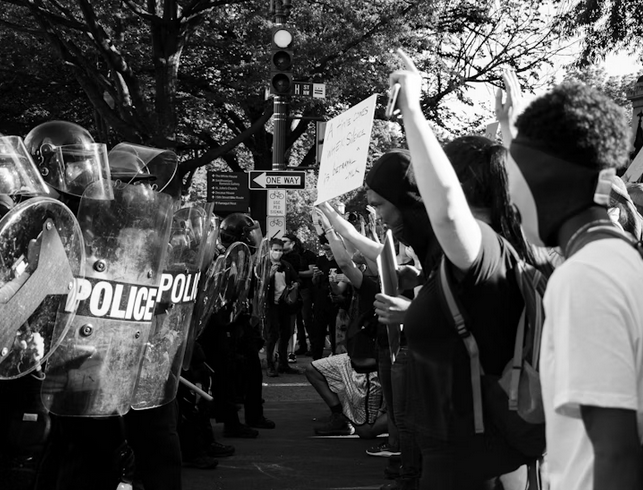
Crises often give governments reasons to invoke emergency powers, but what happens when emergencies never seem to end? During the COVID-19 pandemic, we saw sweeping laws introduced almost overnight—curfews, mandates, lockdowns—all in the name of public safety. But even after the worst of the crisis passed, many countries struggled to roll back those powers. The line between temporary and permanent legal measures has blurred, raising questions about civil liberties and governmental overreach. What began as an urgent response is now reshaping our understanding of state authority.
Climate Litigation Goes Mainstream
Climate change is no longer just a scientific or political issue—it’s a legal one, too. Around the world, individuals and advocacy groups are suing governments and corporations for their roles in environmental destruction. Courts are being asked to define responsibilities across borders, hold companies accountable for emissions, and protect the rights of future generations. As climate disasters become more frequent and severe, climate litigation is evolving from niche to necessity, forcing legal systems to grapple with unprecedented questions about duty, damage, and justice.
Digital Law in a Hyperconnected World
Cybersecurity breaches, misinformation, and AI-generated content—our digital reality is creating legal dilemmas that didn’t exist a decade ago. Governments are scrambling to update privacy laws, regulate tech giants, and define accountability in virtual spaces. With the rise of artificial intelligence and deepfakes, even basic concepts like evidence and intent are being reconsidered. In many ways, digital law is being written in real time, with global crises accelerating the need for clear, adaptable, and ethical frameworks to govern the online world.
Migration, Borders, and Human Rights
From wars to climate displacement, more people are being forced to leave their homes than ever before. Legal systems are being pushed to reexamine how they handle asylum, citizenship, and border control. Traditional frameworks often fall short when facing mass migration caused by non-traditional factors like drought or sea-level rise. As a result, international law is under pressure to become more flexible and human-centered, recognizing the evolving nature of displacement in a chaotic world.
The Rise of Decentralized Justice
One of the most fascinating shifts in modern law is the rise of decentralized justice systems—think blockchain contracts, online dispute resolution, and community-led justice initiatives. As trust in formal institutions wavers, people are turning to alternative systems that are faster, more transparent, and tech-driven. These models aren’t replacing traditional courts just yet, but they are offering new ways to resolve conflict and access justice in a world where time and clarity are in short supply.
We’re living in a time when the old rules don’t always apply—and that includes the legal ones. The age of chaos isn’t just a challenge for lawmakers and judges; it’s an opportunity to rethink how justice is served in a world that refuses to stand still. From emergency powers to environmental justice, from cybercrime to human migration, the law is being forced to evolve alongside the crises we face. The question isn’t whether legal systems will change—it’s how quickly, and whether that change will bring more fairness or more friction in the years to come.…